
When Essential Cuisine asked me to document their business over two days, the brief covered a lot of ground: show the full journey of their products, from the production floor to the plate, and let the people behind the brand carry the story.
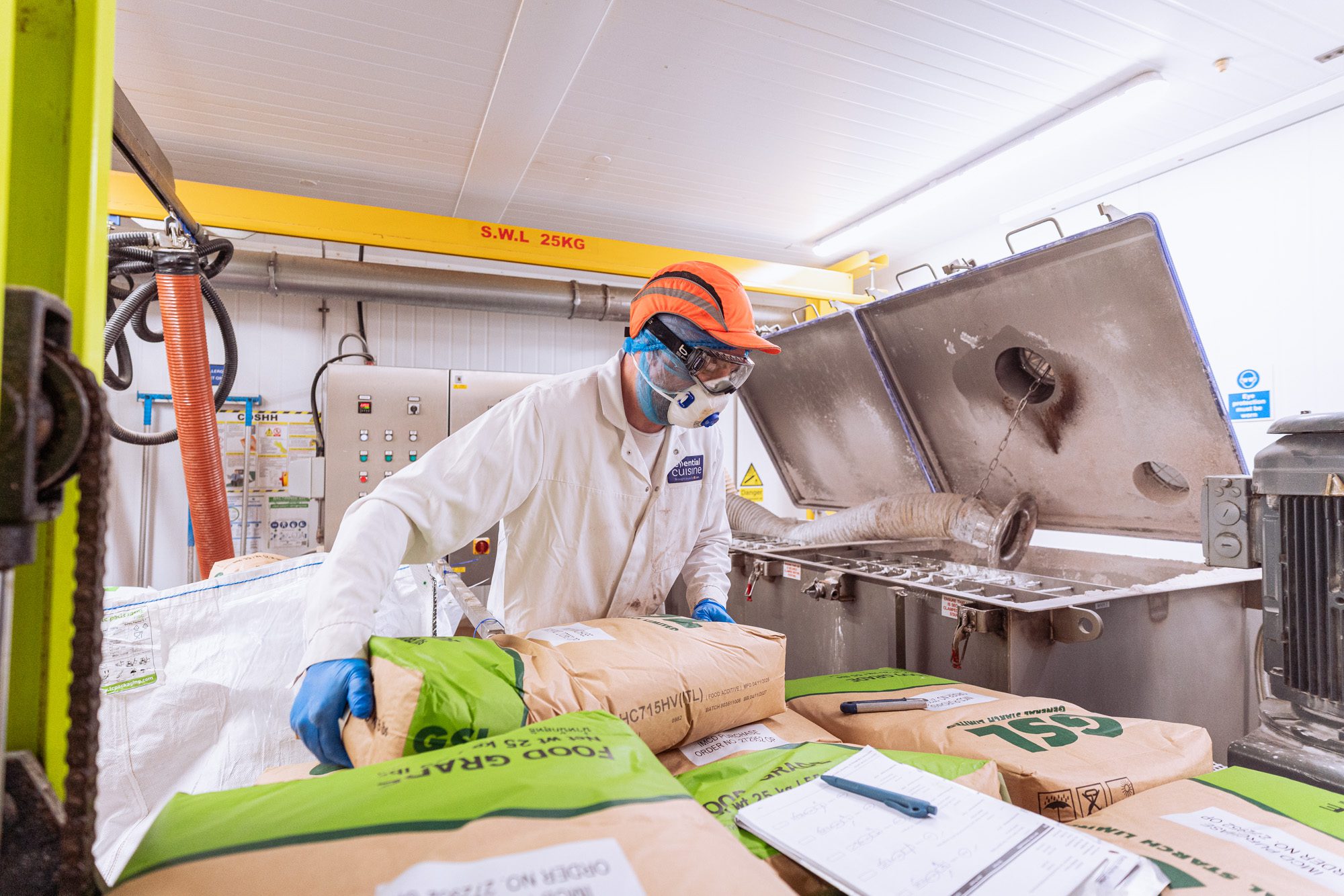
I started on the production and stores side, capturing the day-to-day rhythm of a food manufacturing site that runs at real volume.
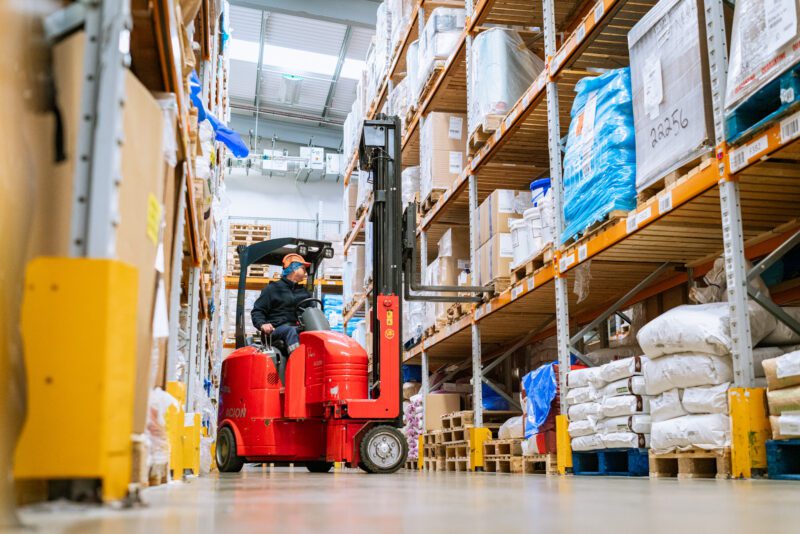
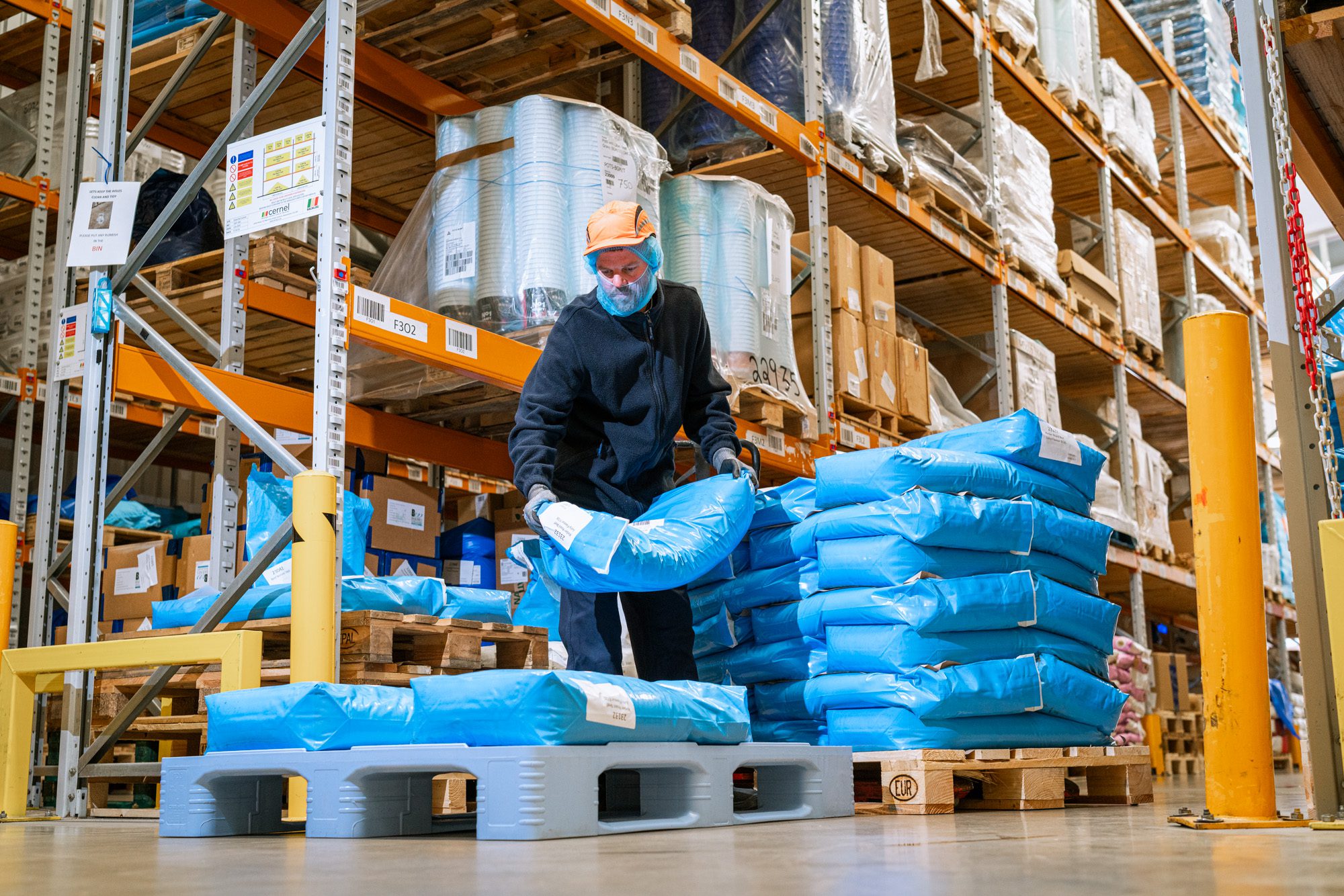
Between pallets of packaging, food-grade ingredients, and finished stock ready to ship, there's a constant, careful choreography. Forklift drivers thread through narrow aisles. Stores staff hand-pick and pack insulated sacks. A warehouse team keeps thousands of individual product lines organised and moving.
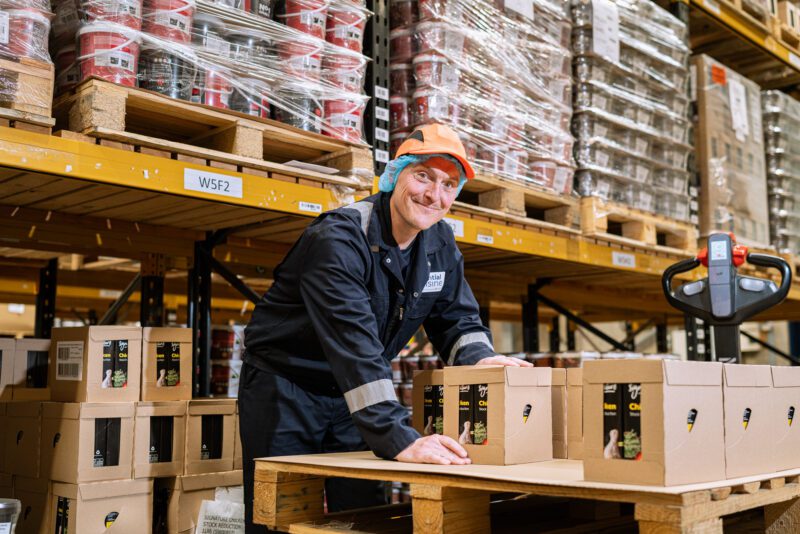
What struck me most was how much personality came through even in the most process-driven parts of the site. People were happy to stop, smile, and show me their part in getting the product out the door, whether that was building an order on the loading bay or preparing a batch of the Signature range for despatch.
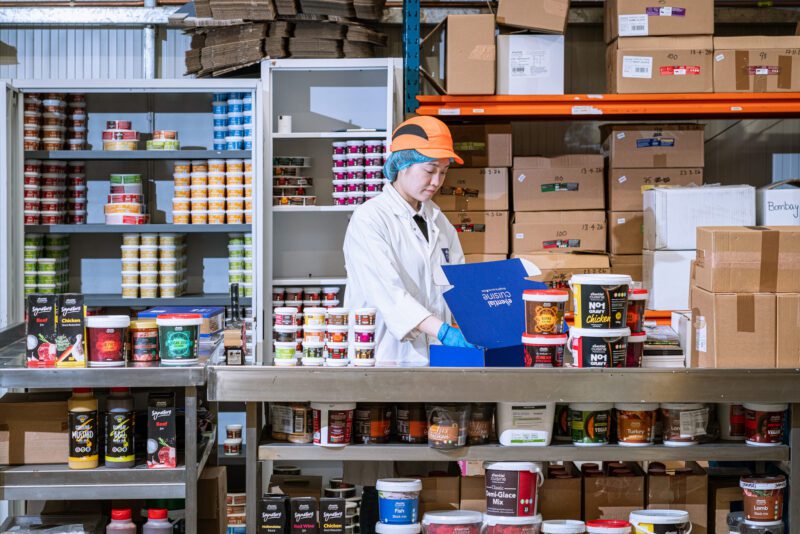
The stores area also showed just how broad the Essential Cuisine range really is: jus, seasonings, stock mixes and sauces across dozens of variants, from classic beef and chicken stocks through to more adventurous options like their Korean-style base and Bombay BBQ seasoning. That kind of product depth is hard to communicate in a single photo, so I made sure to capture the range at scale as well as up close.
I also spent time in the air over the site, using aerial capture to show the scale of the production and storage facilities from a perspective you simply can't get on the ground. It's a useful angle for a business that wants to demonstrate the scale of its operation to new and existing customers.
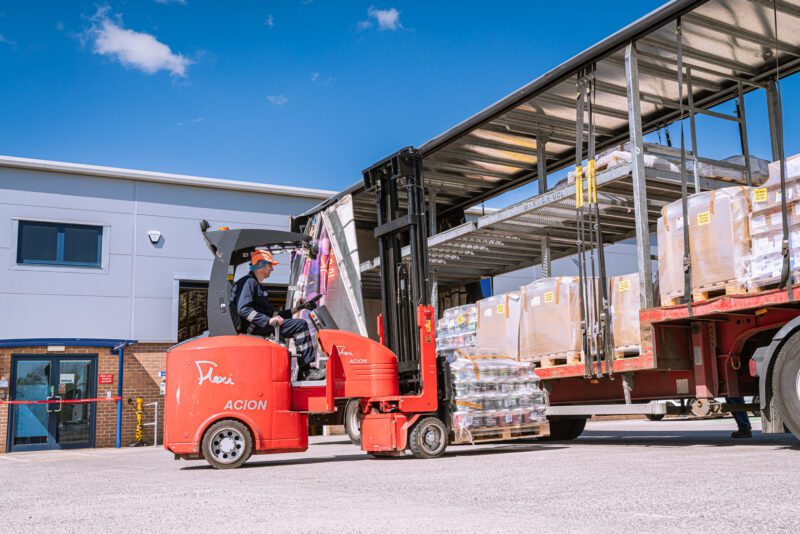
The day wrapped up on the loading bay, watching finished orders go out the door. A good reminder that everything captured earlier in the day, from raw ingredient to packed product, ends here.
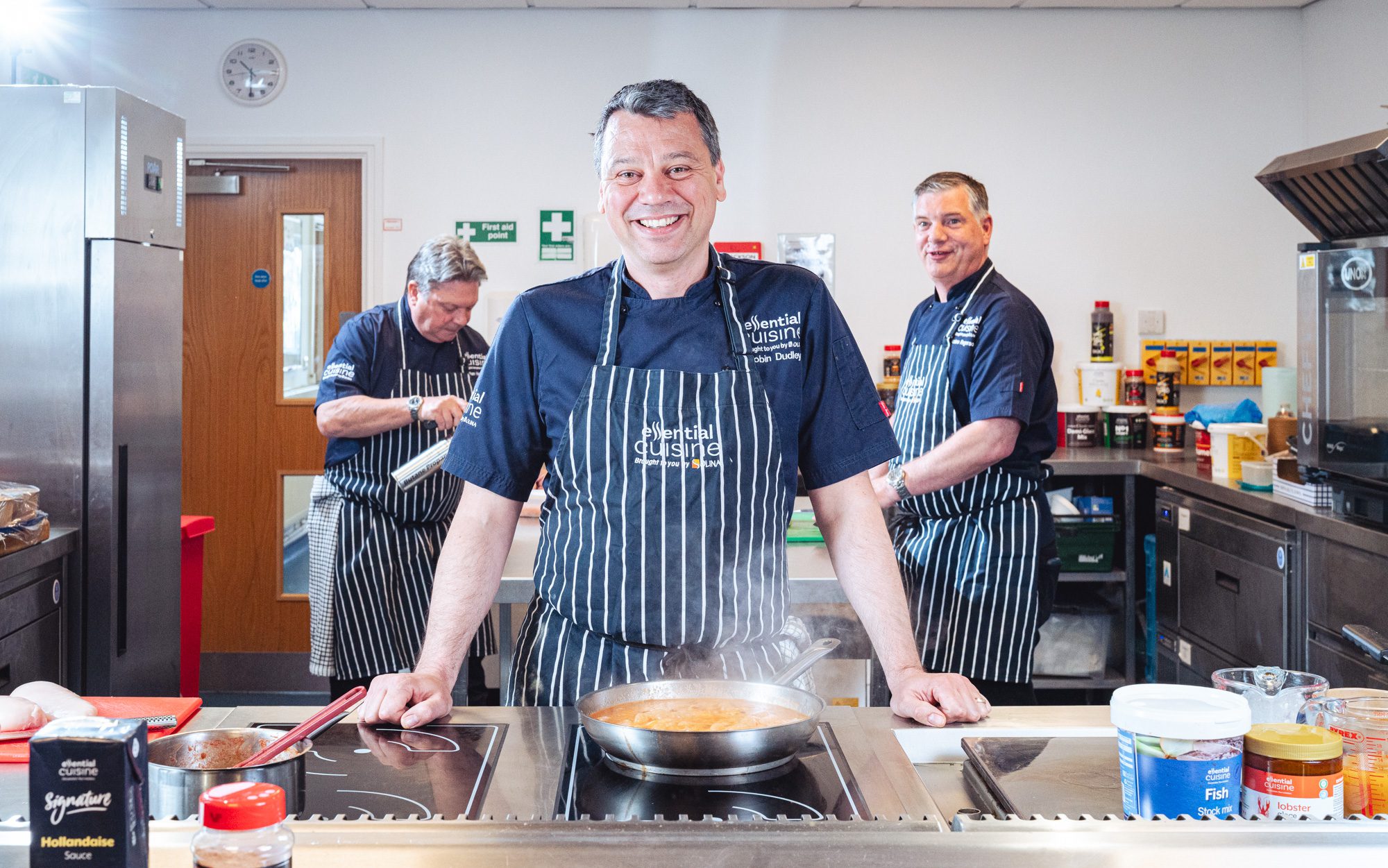
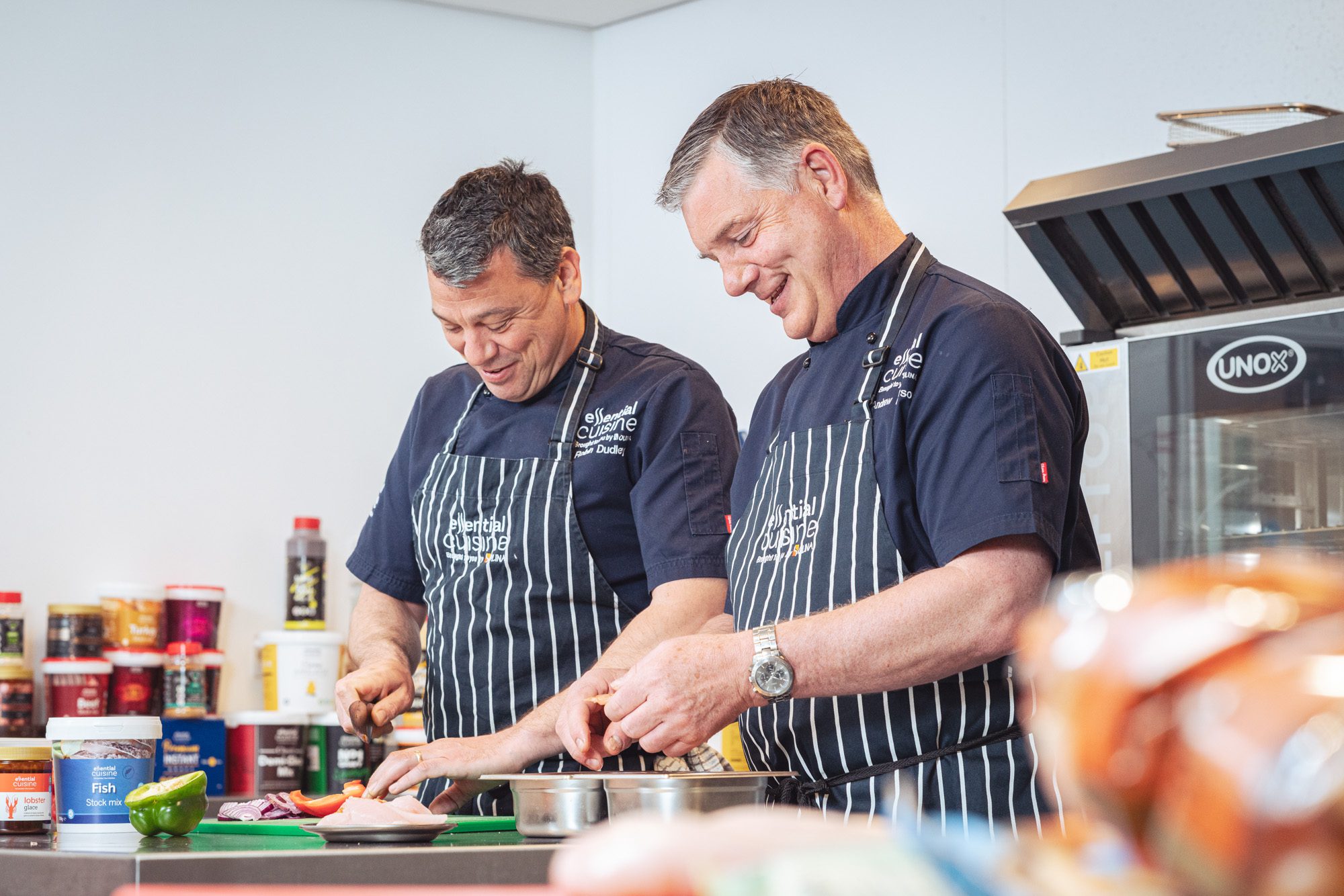
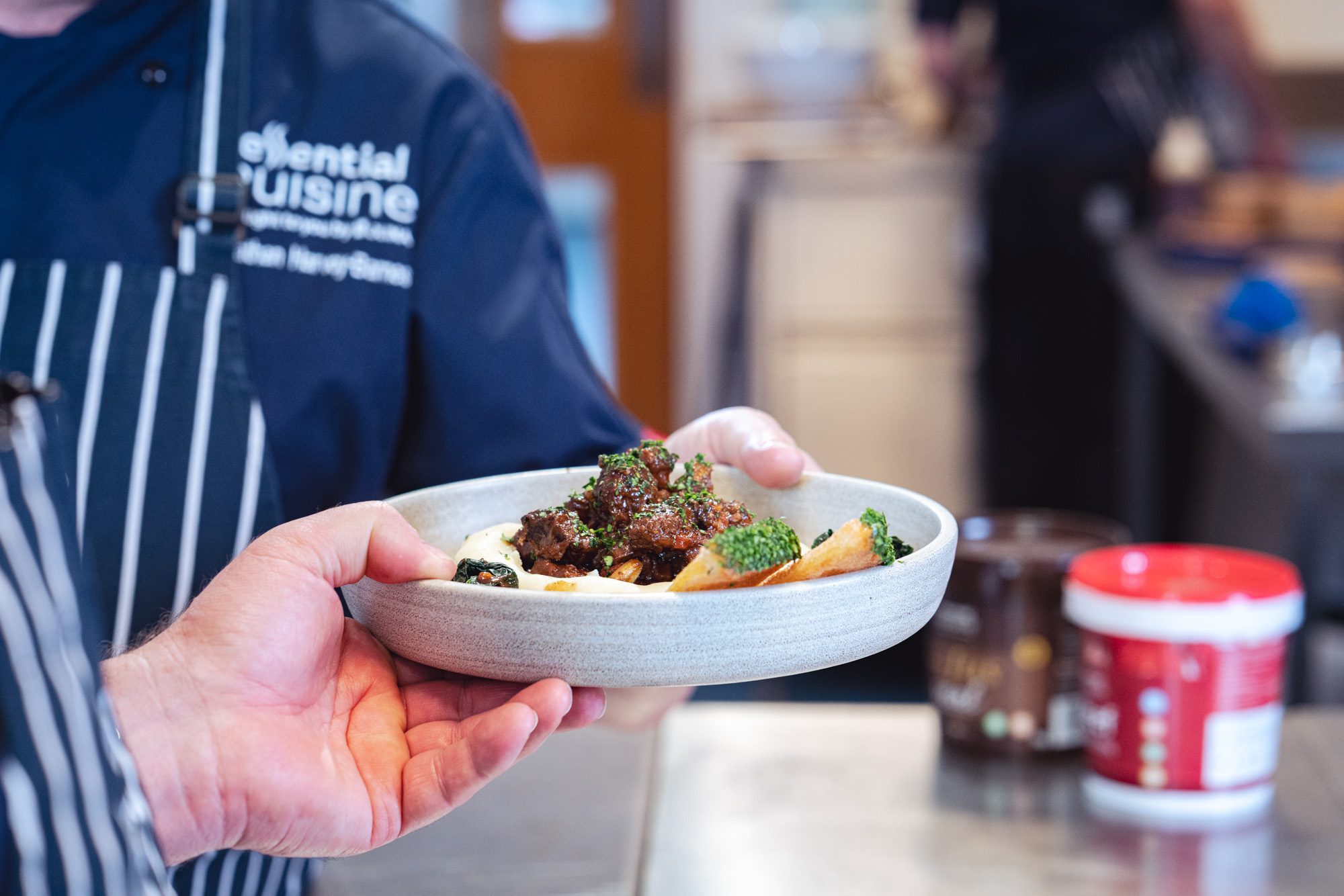
Day two moved from production to what Essential Cuisine actually makes possible: food. I spent the day in their development kitchens with the team's chefs, watching them put the products through their paces in real dishes rather than static product shots.
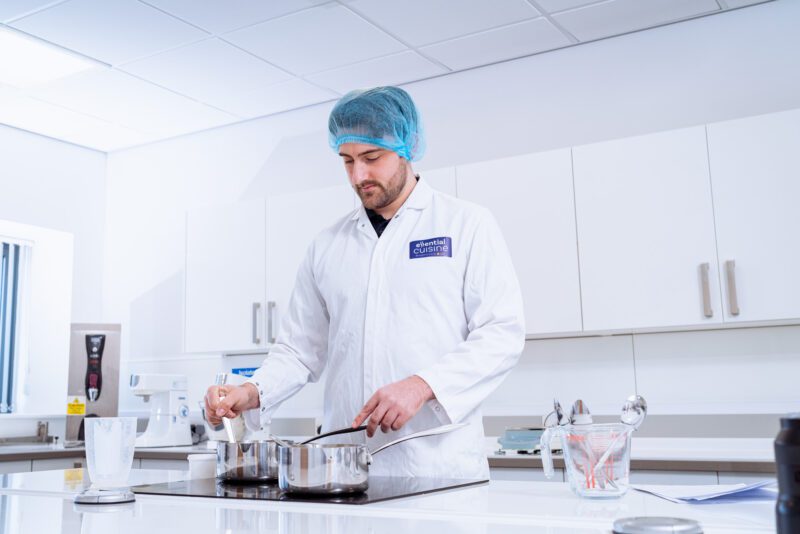
The morning was more measured and technical. Testing, tasting, refining: the kind of careful work that goes on behind the scenes long before a product ever reaches a customer's kitchen.
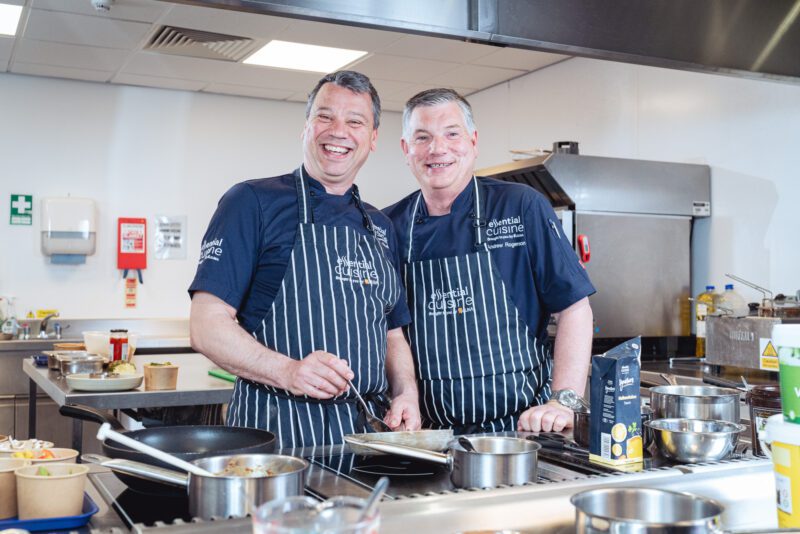
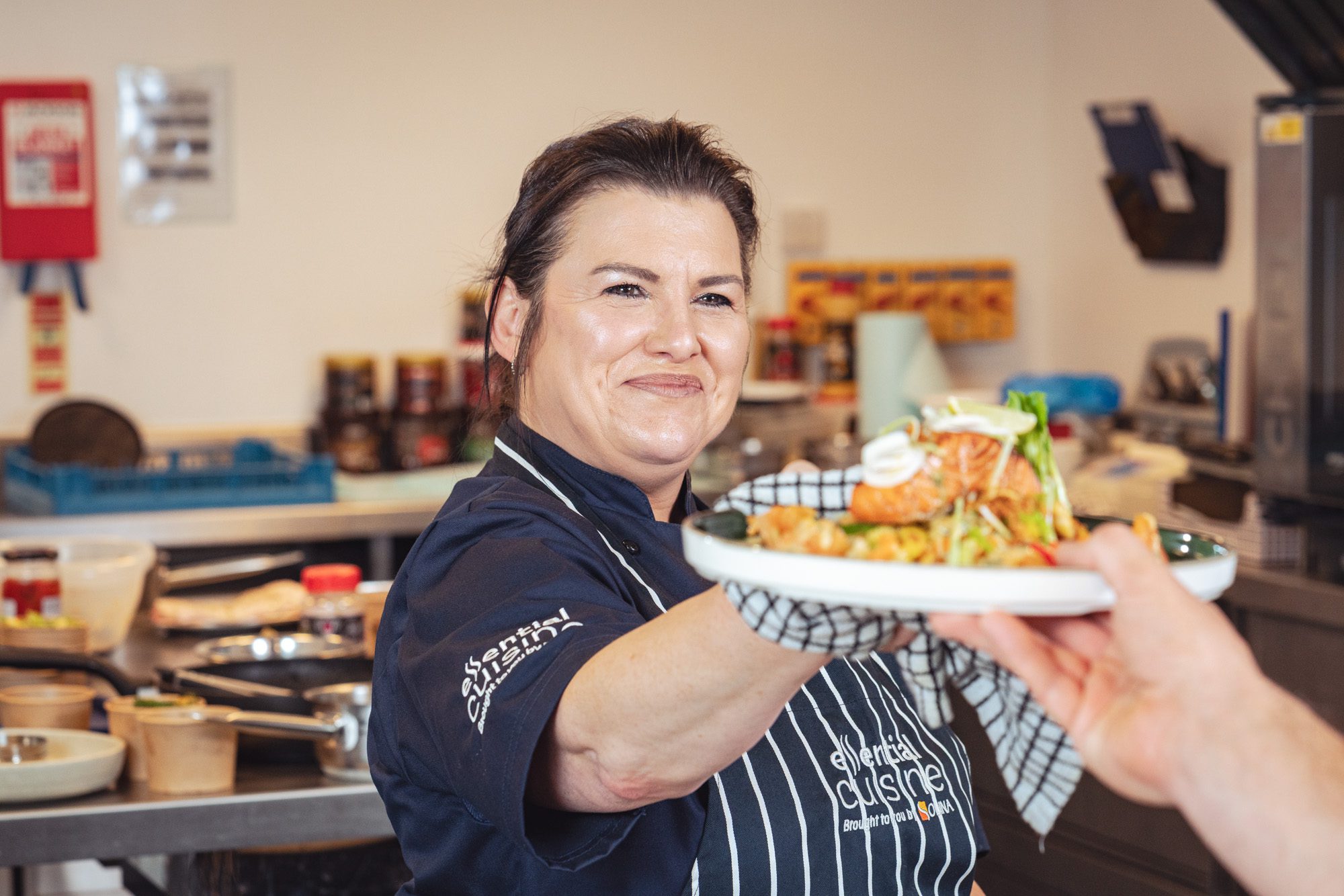
Once the team moved into full service mode, the energy in the room changed completely. There's a real camaraderie between the chefs, and I wanted the photography to reflect that: a group of people who clearly enjoy cooking together and take pride in what they're putting on the plate.
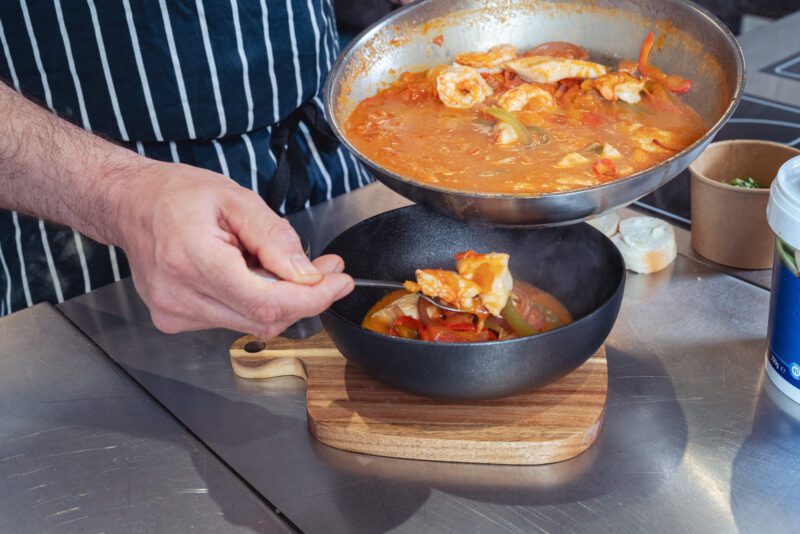
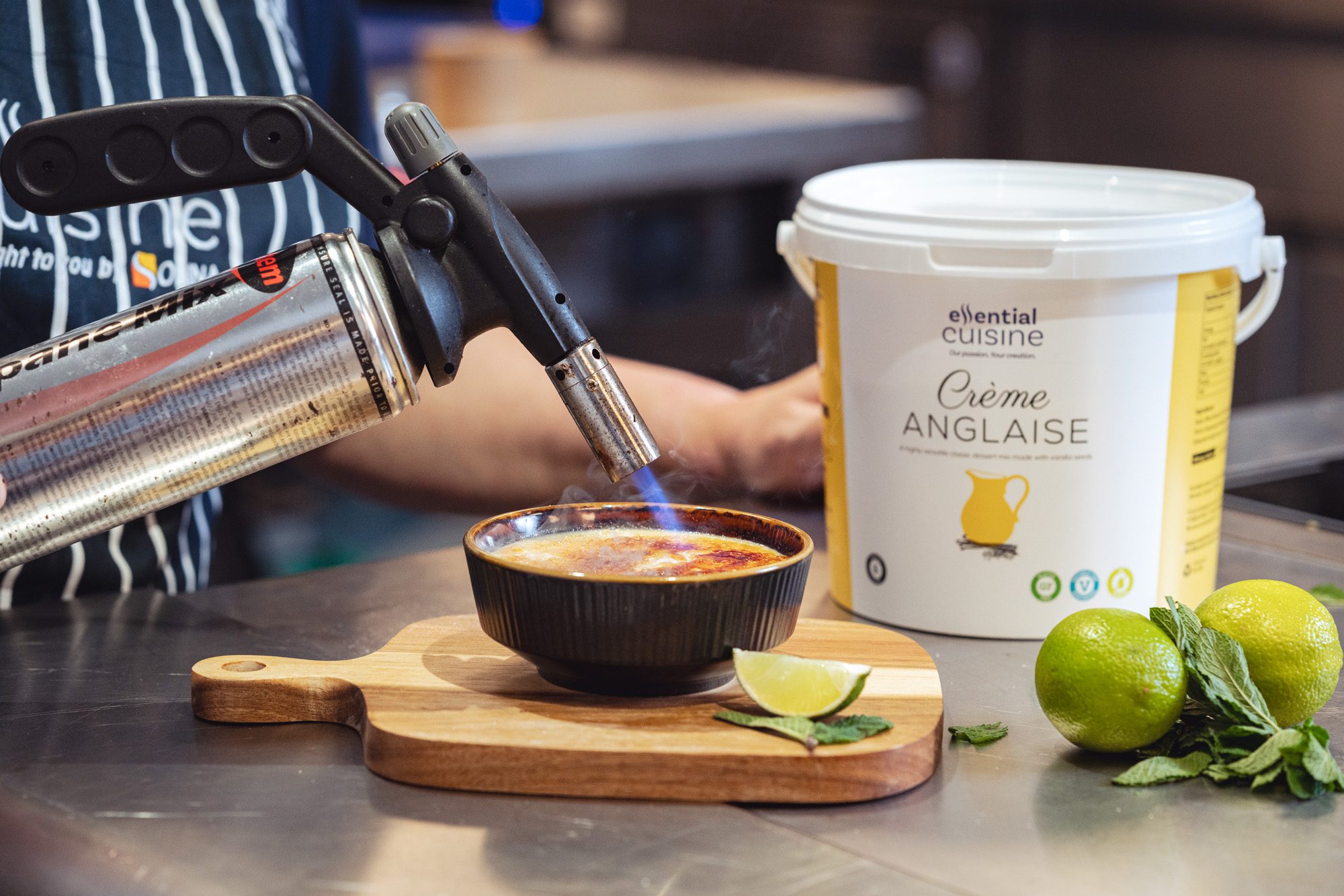
Across the day, the chefs worked through a wide range of dishes: a rich seafood stew, pan-seared salmon with an Asian-inspired slaw, braised beef with mash and greens, even a blowtorched crème brûlée. Each one was built around a different part of the product range. It was a strong, practical demonstration of versatility: the same seasonings and bases that anchor a warehouse full of stock can turn into a menu of genuinely delicious, restaurant-quality food.
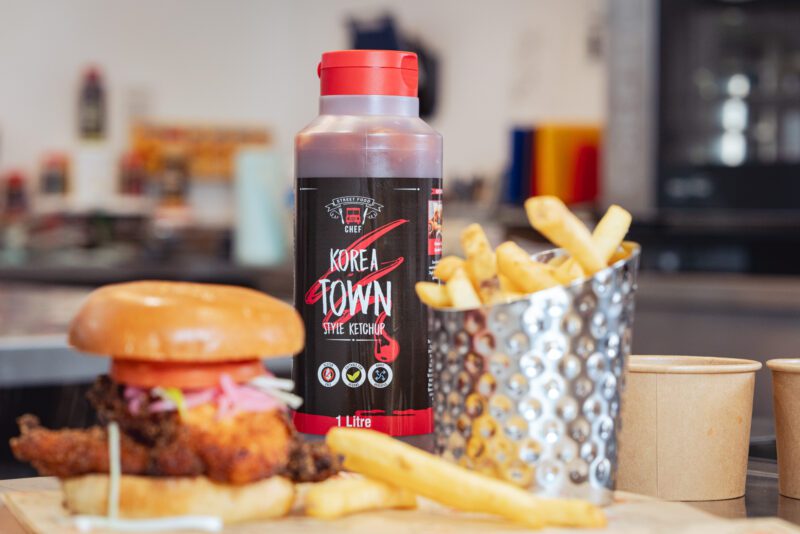
The street food-inspired products got their own moment too, styled alongside the kind of casual dishes they're built for. It's a good reminder that innovation here reaches well beyond the fine-dining end of the menu.
What I liked most about this shoot was the contrast between the two days, and how well they worked together. Day one showed the operational backbone: the people, scale and process that make a food manufacturing business run. Day two showed what all of that scale is actually in service of. Chefs, creativity, and food that people want to eat. Together, they tell a fuller story than either day could on its own: a business that's grown through real capability at both ends, from the warehouse floor to the chef's pass.
If you run a food or manufacturing business and want photography and video that shows both the operation and the outcome, I'd love to talk about your project. Get in touch at office@gregharding.co.uk or +44 161 282 2229.