
Commercial and industrial photography is a different world from weddings or high-street portraits. Nobody's shedding a happy tear on a factory floor, but the pressure is real in its own way: clients are usually juggling tight schedules, safety requirements, marketing deadlines and internal approvals, often all at once. Because of that, winning and keeping this kind of work comes down to reliability, clarity and trust just as much as photography skill. A good portfolio gets you the meeting. What decides whether a business spends its marketing budget with you is a different question: are you someone they can trust?
Over the years, steady growth in this business has come from refining how I present my work, how I communicate with clients, and how easy I make the whole process, from first enquiry through to final delivery. Trust runs through every part of that, and it's often the quiet, unglamorous factor that wins the job.
One of the biggest turning points for my business was deciding to focus clearly on commercial and industrial work rather than trying to cover everything.
I've been working in photography since 1988, starting out in science, medicine and forensics. That background matters more than it might sound. Technical imaging is about making something complicated legible to the person who has to act on it, which is close to the whole job in industrial work too.
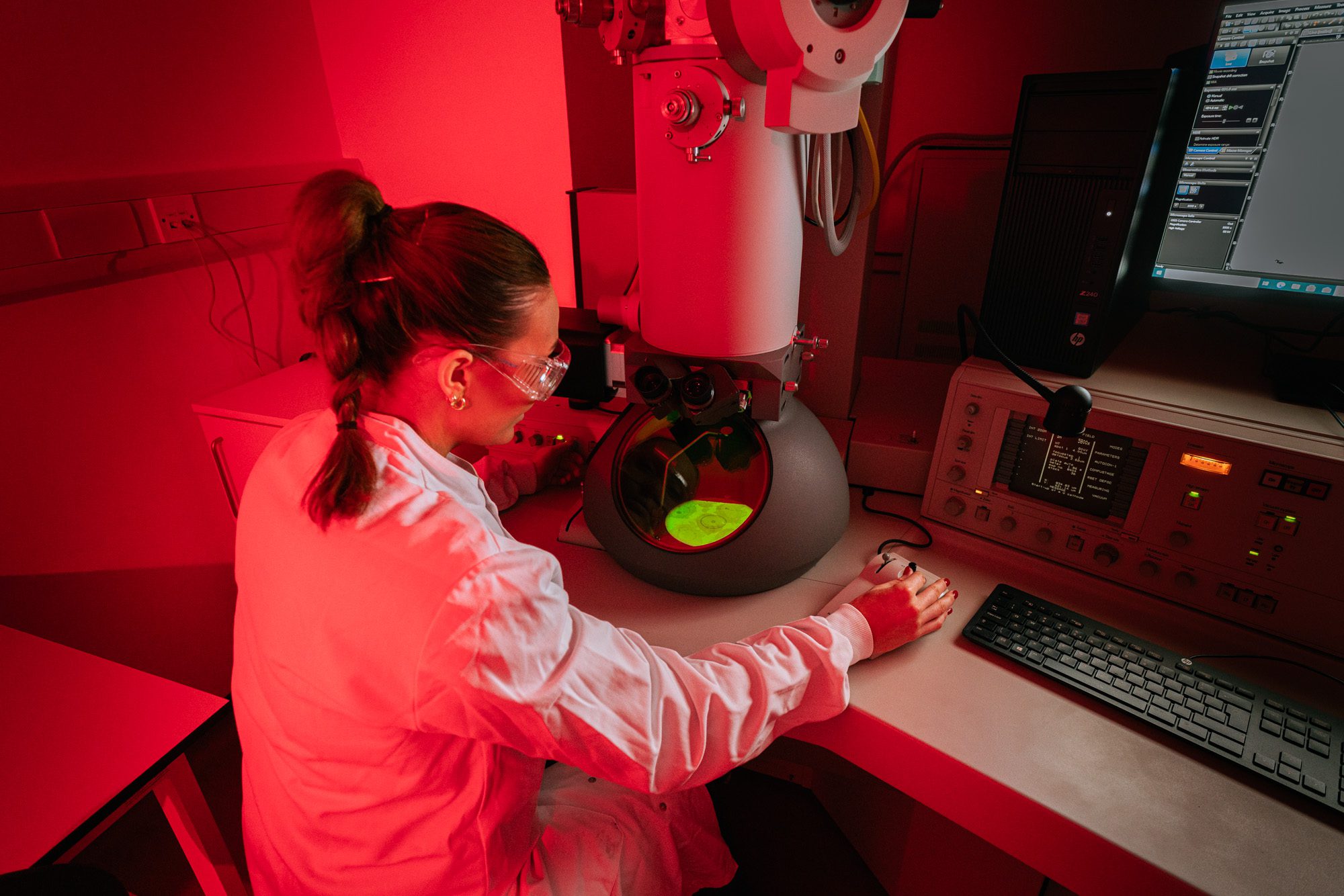
When I went freelance over 18 years ago, I put together a website from every photography project I thought might win work, without much thought about who it was actually for. That broad photo-dump marked me out as a generalist, which is a polite way of saying nobody was quite sure what to hire me for. I learned quickly that trying to be seen by everyone gets you ignored by everyone, so I niched down and rebuilt the site around specific sectors instead: aerial and drone, automotive and haulage, construction and civil engineering, healthcare, manufacturing, product, science and research, education. That's still how the site is structured today, and it's a much easier way for the right client to find themselves in my work.
Businesses hiring a photographer want reassurance that you understand their environment: a factory floor, a construction site, an engineering facility, a manufacturing plant. They have a specific niche and want a photographer who already understands it, not one learning it on the day. When a potential client lands on my website, the question they're really asking is "has this photographer worked somewhere like our business before?"
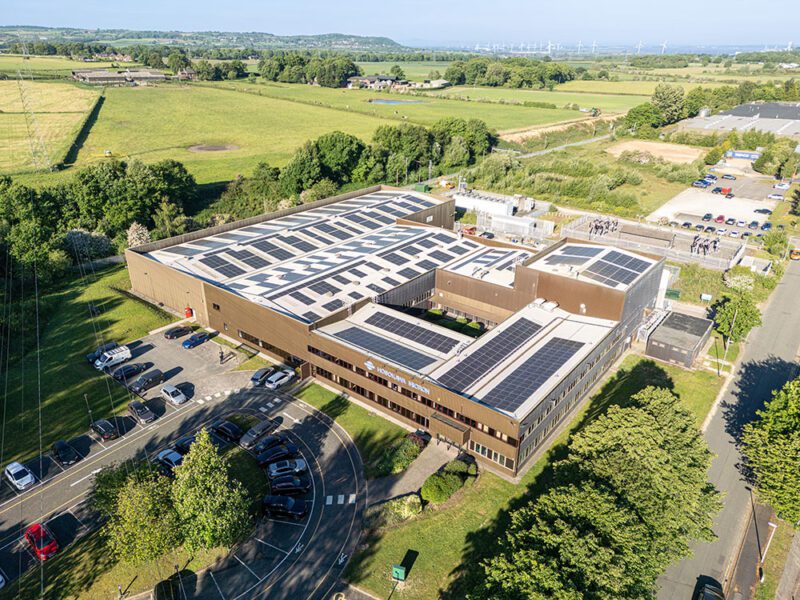
Michael Tamas, Marketing Manager at Hosokawa Micron Ltd, put it well after a recent shoot: he'd been looking for a photographer who could do more than capture images of their equipment, someone who could tell a story with people at the heart of it. That's what showing the right kind of work does before you've even had the first conversation.
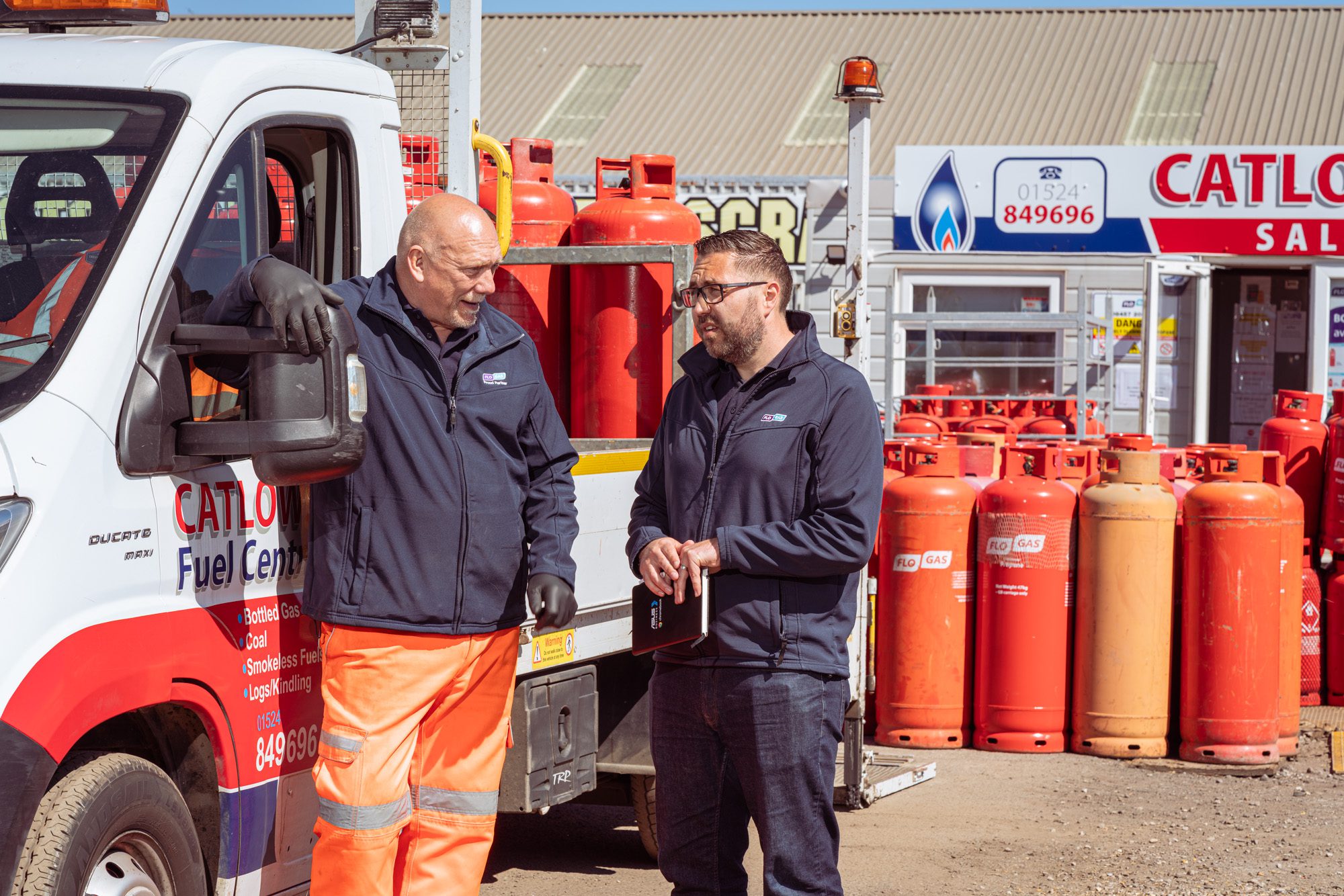
A recent two-day project for Essential Cuisine is a good example: the brief covered both their production warehouse and their development kitchens, and it worked because I could walk into both environments already understanding them, rather than figuring it out on site.
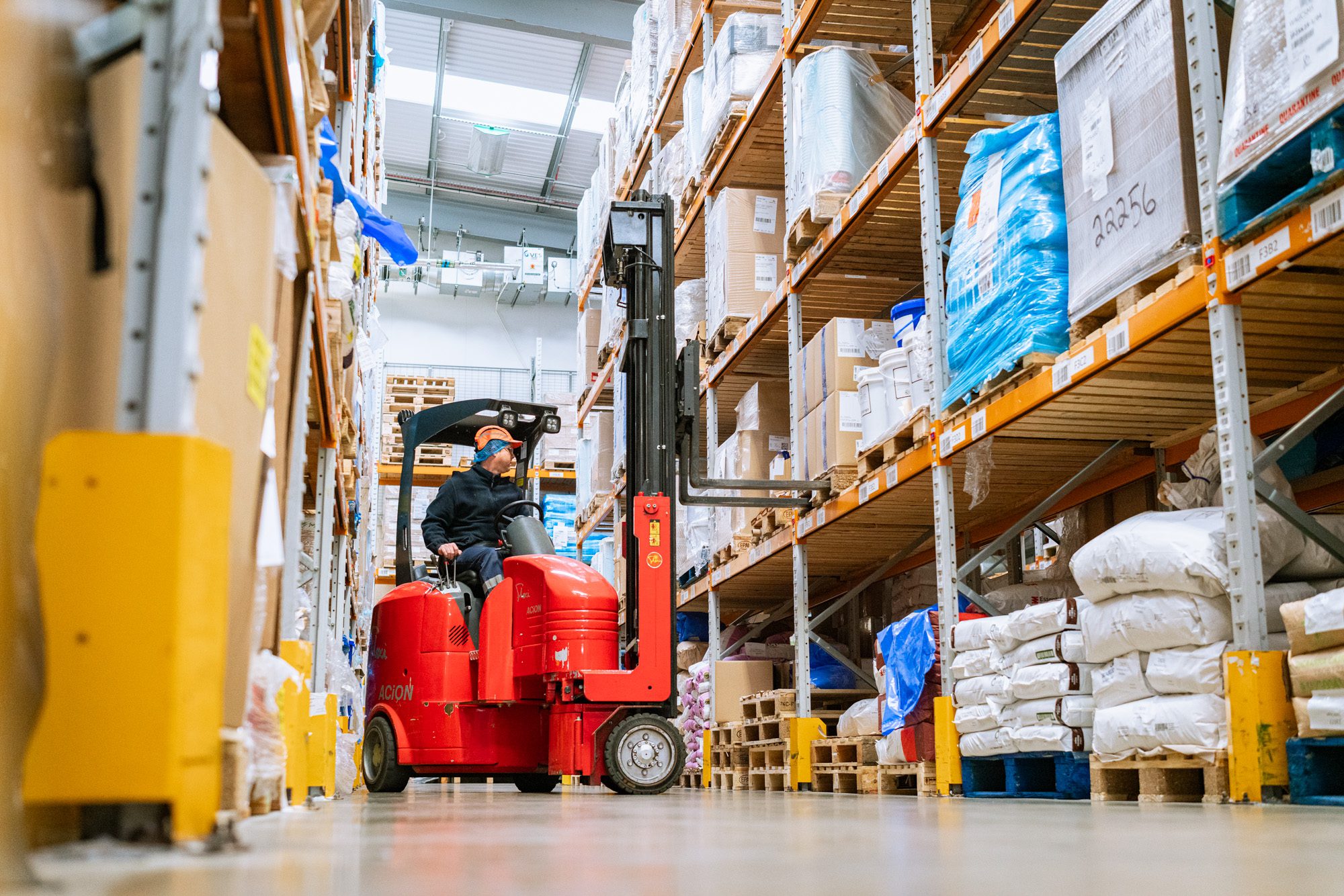
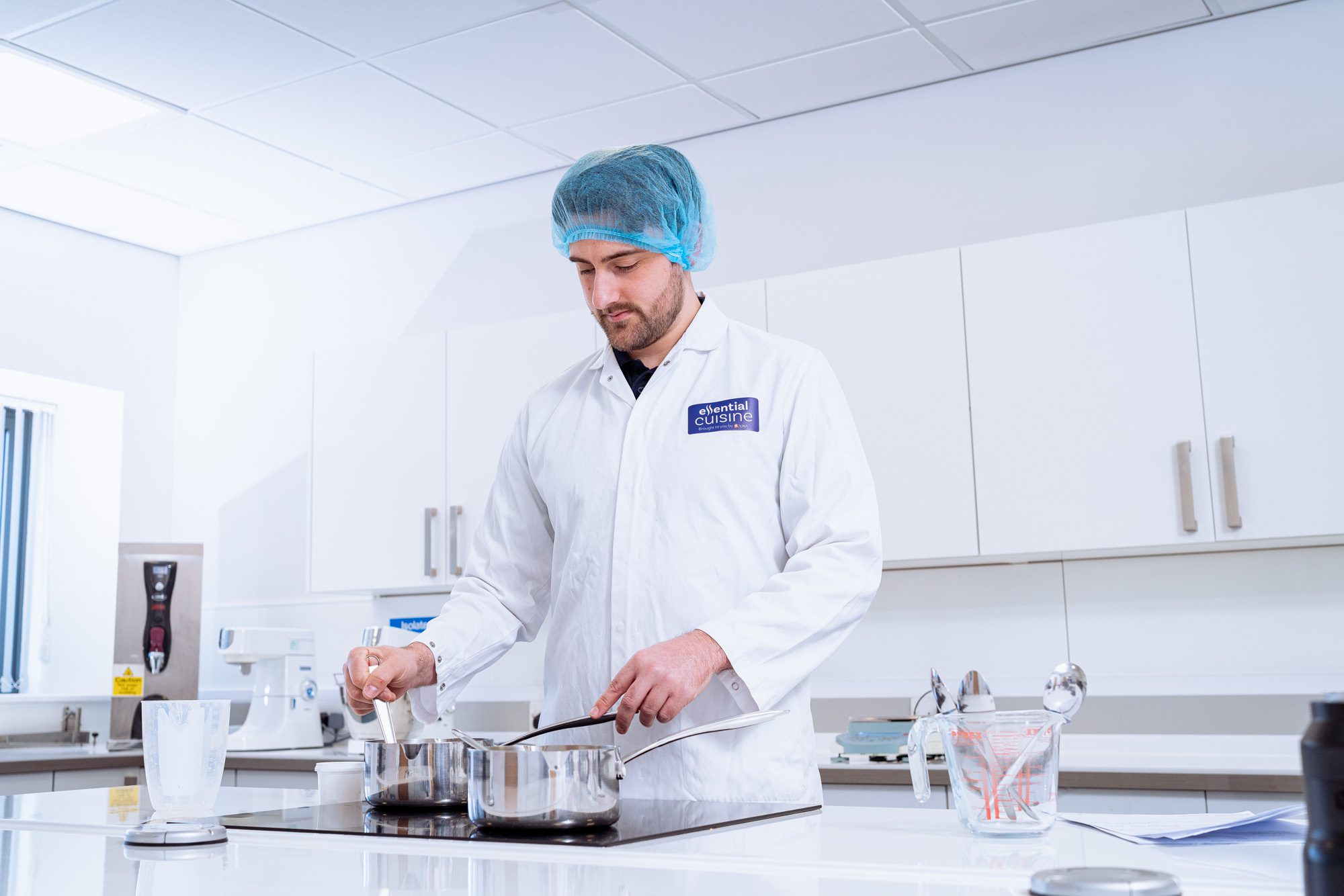
Images that show real working environments, machinery, staff and process tend to connect far more strongly with industrial clients than a general portfolio ever does. It's also why case studies matter more than single striking images. A case study shows how the photography supported a marketing, recruitment or branding goal, which a good-looking picture on its own can never do.
Commercial and industrial photography is heavily relationship-driven. Many of my best projects come from repeat clients or introductions rather than cold enquiries. SGS is a good example: I've shot several projects for them over time, most recently documenting a brand new testing laboratory, and that kind of repeat booking only happens because an earlier shoot went well enough to be trusted with the next one. CHEMUK is another: after photographing their stand at the NEC, they told me they'd already booked me in for the following year. That's the outcome worth building towards, not just a single good shoot.
Staying in touch with previous clients, even with a simple update or a link to recent work, keeps you in mind when a new project comes up. Many companies need fresh imagery regularly, for marketing campaigns, annual reports, recruitment drives, website updates, and feeding the ever-hungry social media feeds.
It's also worth building relationships with marketing agencies, design studios, PR companies and web developers. These businesses need reliable photographers for their own clients, and they return to the ones who are dependable and understand commercial deadlines. When I'm working alongside an agency, I treat the relationship as though I'm part of their extended team: respecting their working style, supporting their goals, and remembering I'm there to support their client relationship, not compete with it. Trying to sell your own services directly to an agency's client damages that trust fast, and it's one of the quickest ways to lose your reputation in the industry.
Marketing and creative businesses tend to have strong professional networks, and they talk to each other regularly. Recommendations, and warnings, travel fast, so staying professional and respectful really matters. Some of the best referrals come from agencies that trust you enough to put their own name behind the recommendation. Marketing managers and creative leads also move roles between companies, and when they do, they often bring trusted suppliers with them. Over time, one strong professional relationship can lead to multiple new clients across different companies. Being reliable, professional and easy to work with pays off in the long run.
A commercial photography website doesn't need to be complicated, but it does need to build confidence quickly. Decision-makers are often busy and may only spend a short time reviewing your work before deciding whether to make contact, so don't make it hard to find what they need. You have a few seconds of attention. Don't gatekeep it behind a maze of page clicks.
On my own site, that means separate landing pages organised by sector: manufacturing, construction, science, healthcare, automotive, aerial work, education, and more, each with a short explanation of the sector and the kind of images that come from it. Case studies that are similar or relevant to a visitor's own industry do more for trust than a generic gallery ever will. Testimonials from real business clients, recognisable company names, and evidence of long-term client relationships all reinforce the same thing: reliability and professionalism, weighed as heavily as visual style.
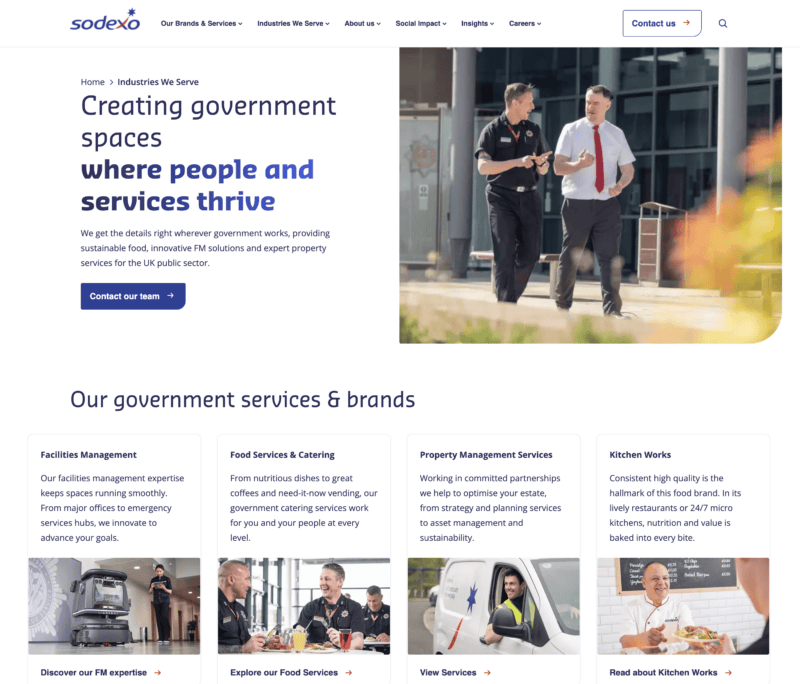
It's also worth making contact details easy to find, and having a portfolio available as a straightforward download for anyone comparing photographers behind the scenes. Many strong opportunities are lost simply because it isn't obvious how to get in touch quickly. Lastly, keep to one clear call to action. My own site keeps this to a single "book a meeting" link across every page, because too many competing CTAs just leads to indecision.
Commercial clients value clear communication just as much as creative skill. A fast, straightforward response to an enquiry makes a strong first impression, especially when a business is working towards its own marketing or project deadline.
Having a consistent process helps clients feel they're working with someone organised and experienced. Asking clear questions early about site access, safety requirements, intended image usage and timescales avoids problems later. Confirming shoot details in writing, and setting realistic delivery expectations, keeps projects running smoothly.
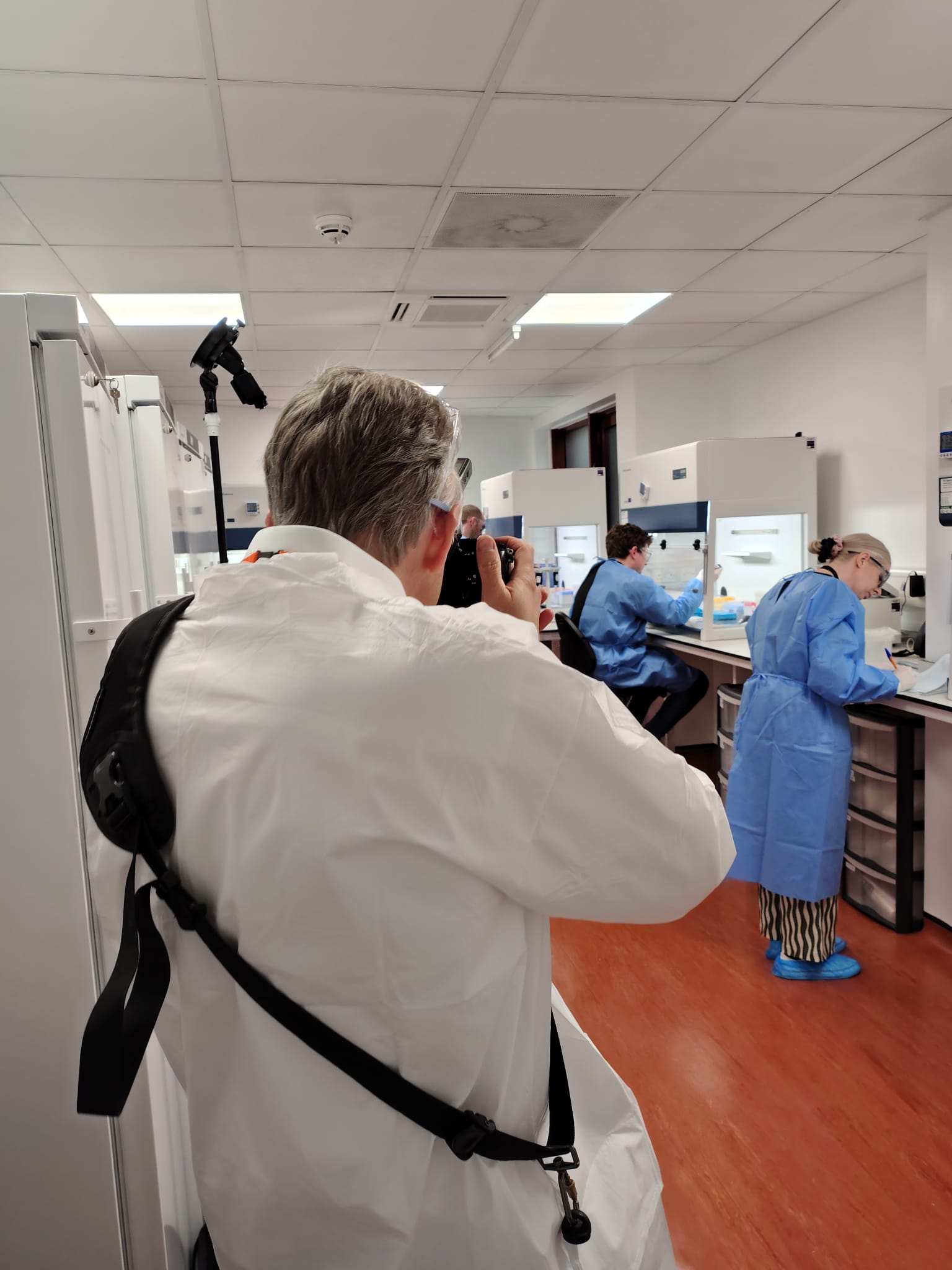
This is also where the preparation behind the scenes actually earns its keep. CSCS doesn't classify photographers as construction workers, so there's no card scheme for me to hold any more, but eighteen years of site inductions have taught me exactly what a site manager needs to see: my own PPE, CAA certification to fly drones commercially, and DBS clearance to work around children and vulnerable adults. It means I can turn up ready for induction, rather than holding up someone else's queue while I catch up. Clients remember photographers who arrive ready, understand site procedures, and adapt quickly when conditions change, which they often do on an industrial site.
Many businesses have limited experience organising photography within a working environment. A bit of simple guidance beforehand makes the shoot more efficient and improves the results: suggesting how to prepare work areas, advising on staff clothing, or helping plan a realistic schedule around production or operational demands.
That kind of preparation matters just as much outside heavy industry. A full-day shoot at OAW Academy is a good example. The school had never organised a photography day at that scale before, and keeping both staff and students at ease throughout the day was as much a part of the job as the photography itself. When clients feel supported through the process, they're far more likely to book again and recommend you internally.
Commercial photography often involves larger budgets and longer approval processes, which makes clear payment structures important. Deposits are widely accepted and help secure booking dates, particularly for multi-day or location-heavy projects.
Sending invoices promptly and keeping payment terms clear helps maintain steady cash flow. Being equally clear about when the final high-resolution images land keeps client expectations aligned and avoids awkward conversations later.
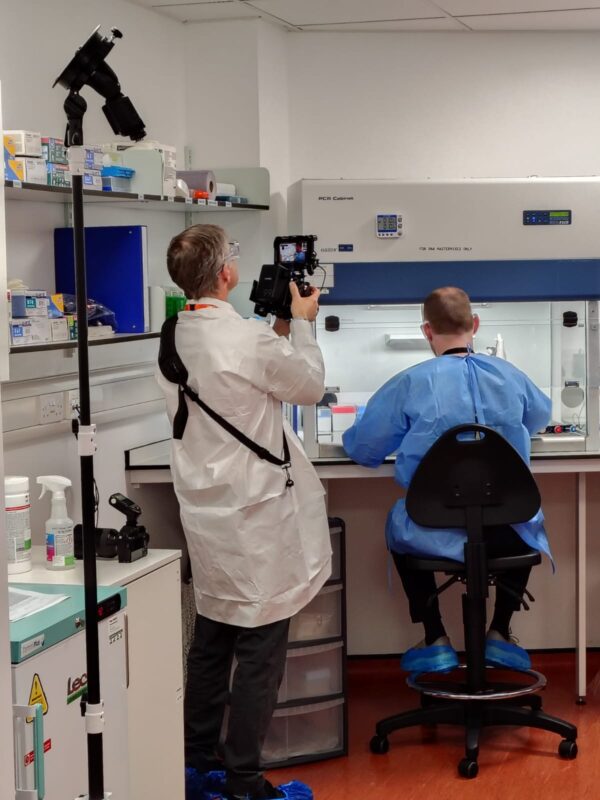
Growth doesn't always mean taking on more shoots. Often it comes from getting more value out of the shoots already booked. On a recent project with SGS, I combined both stills and video B-roll from the same day on site, which meant they had material for a web page, a service page hero image and a short explainer video without booking a second crew. Providing a combined stills and video service is becoming the new norm, but again expectations about volume and time still need to be clearly communicated.
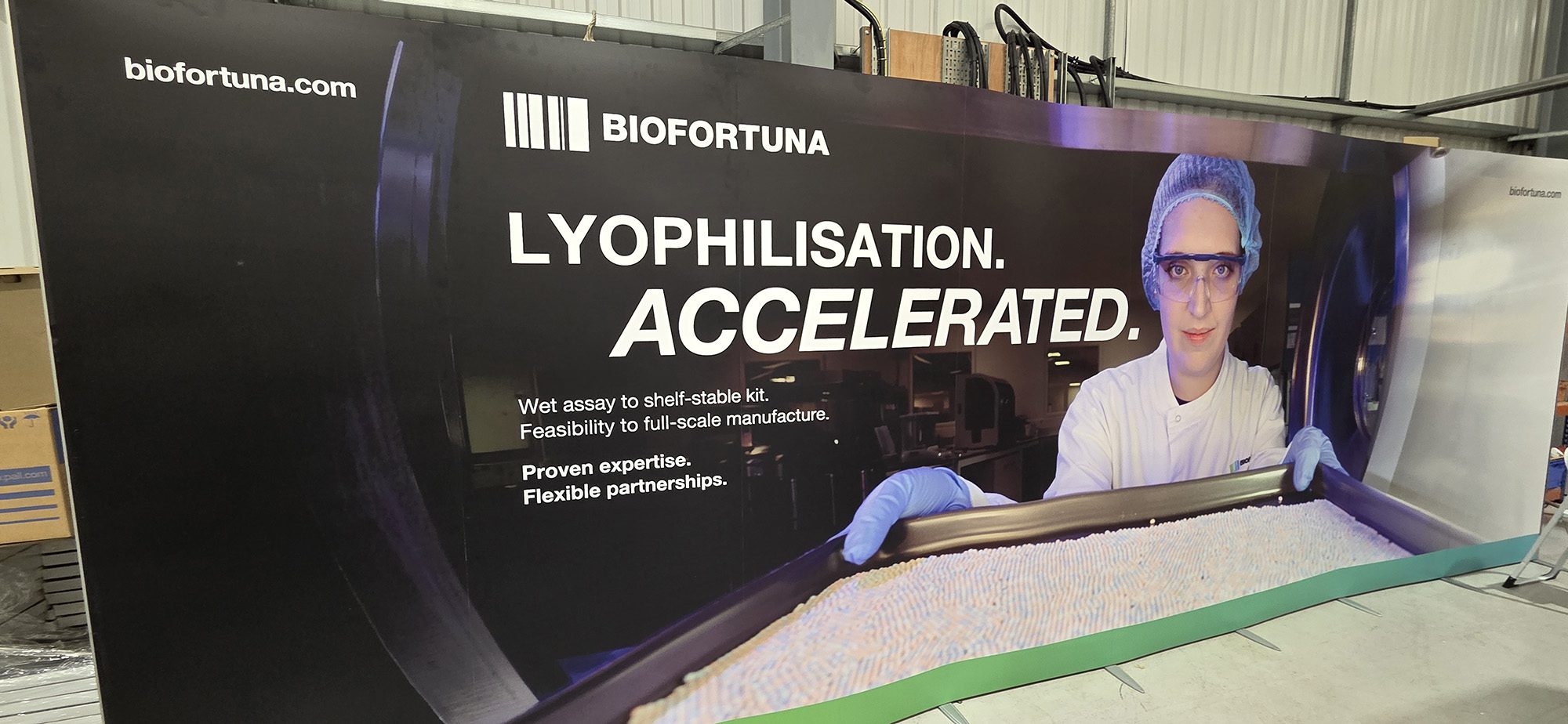
Sharing knowledge and behind-the-scenes insight is particularly effective in commercial photography. This piece is an example of that in practice, and so are the blog posts I write after a project. Showing how a shoot was planned, how lighting is adapted to a difficult environment, or how safety considerations were managed demonstrates professionalism and experience far better than a claim on a services page can.
This kind of content doesn't need to feel promotional. Honest insight into how a project gets delivered is usually what helps a marketing team or business owner feel confident enough to make contact.
Businesses are rarely commissioning photography simply for visual appeal. More often, they're investing in how their company is presented to customers, potential employees and stakeholders. Strong imagery supports brand reputation, builds trust, and helps communicate expertise.
The judges on the 2018 EEF Manufacturing Photography Competition described one of my winning industrial images as "brilliantly framed" with "a strong use of lead lines along with a nice symmetry of colour." That kind of recognition matters less for the accolade itself and more for what it proves: that photography done properly for an industrial or manufacturing client can stand up next to any other category of commercial imagery. When you position the service around helping a business achieve that, the conversation naturally moves beyond price and towards long-term value.
None of this is complicated, but it does take consistency. Turn up prepared, communicate clearly, show the work that matches the client in front of you, and the repeat bookings follow on their own.
If you're a business looking for commercial or industrial photography and video across Manchester and the North West, I'd be glad to hear what you're planning. Get in touch at office@gregharding.co.uk or +44 161 282 2229.